How to Choose Decking Supplies for an East Bay Deck Build: A 2026 Buyer's Guide
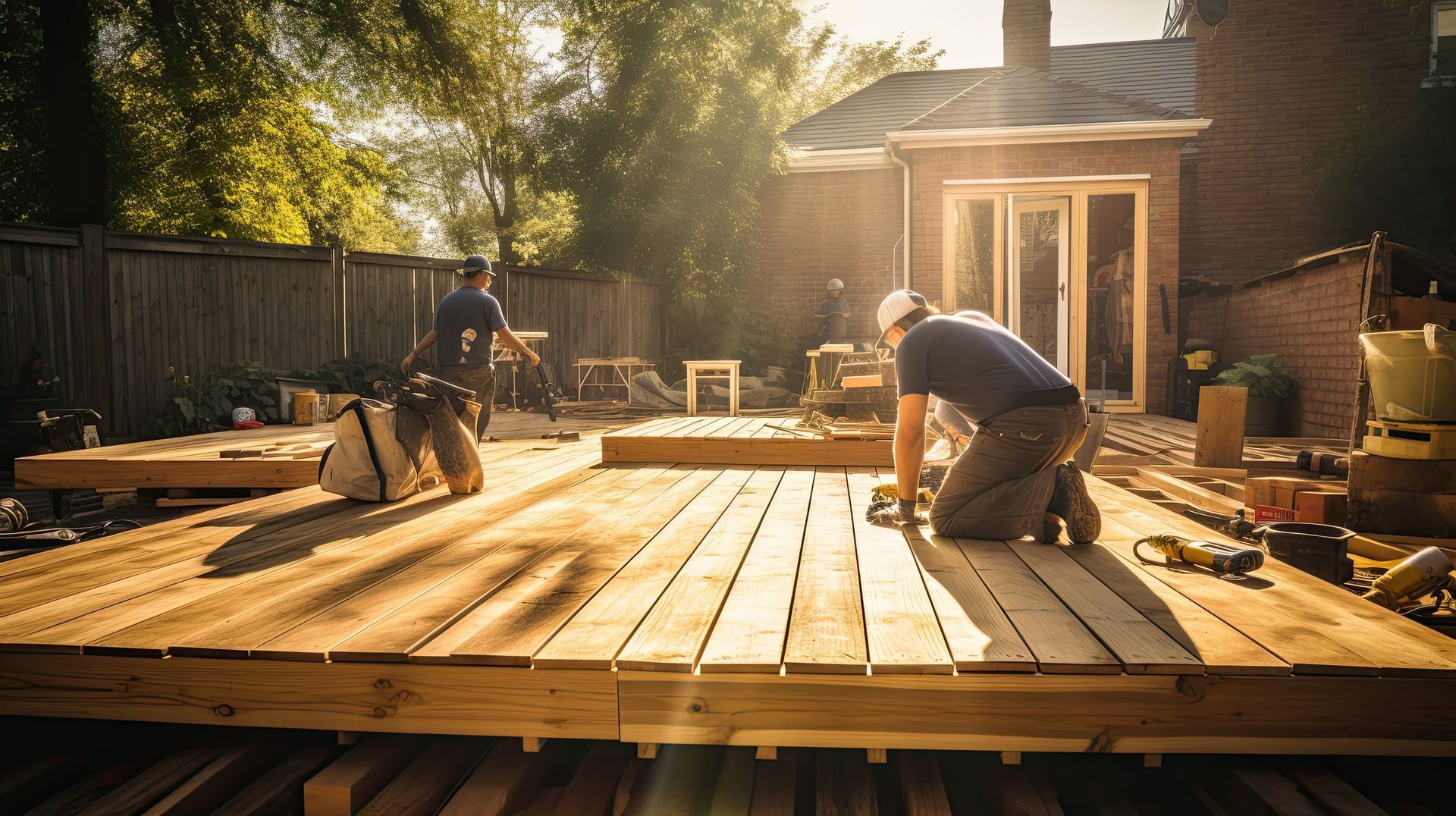
Choosing the right decking supplies before you buy can save East Bay homeowners and contractors thousands of dollars and hours of rework. This guide covers five key decisions for a 2026 East Bay deck build: material type, board dimensions, fastener system, finish or sealant, and local code compliance. Whether your project is in Walnut Creek, CA, Concord, Danville, or Pleasant Hill, these choices shape how your deck looks, performs, and holds up over time.
Decision 1 -- Material Type Sets the Foundation for Everything
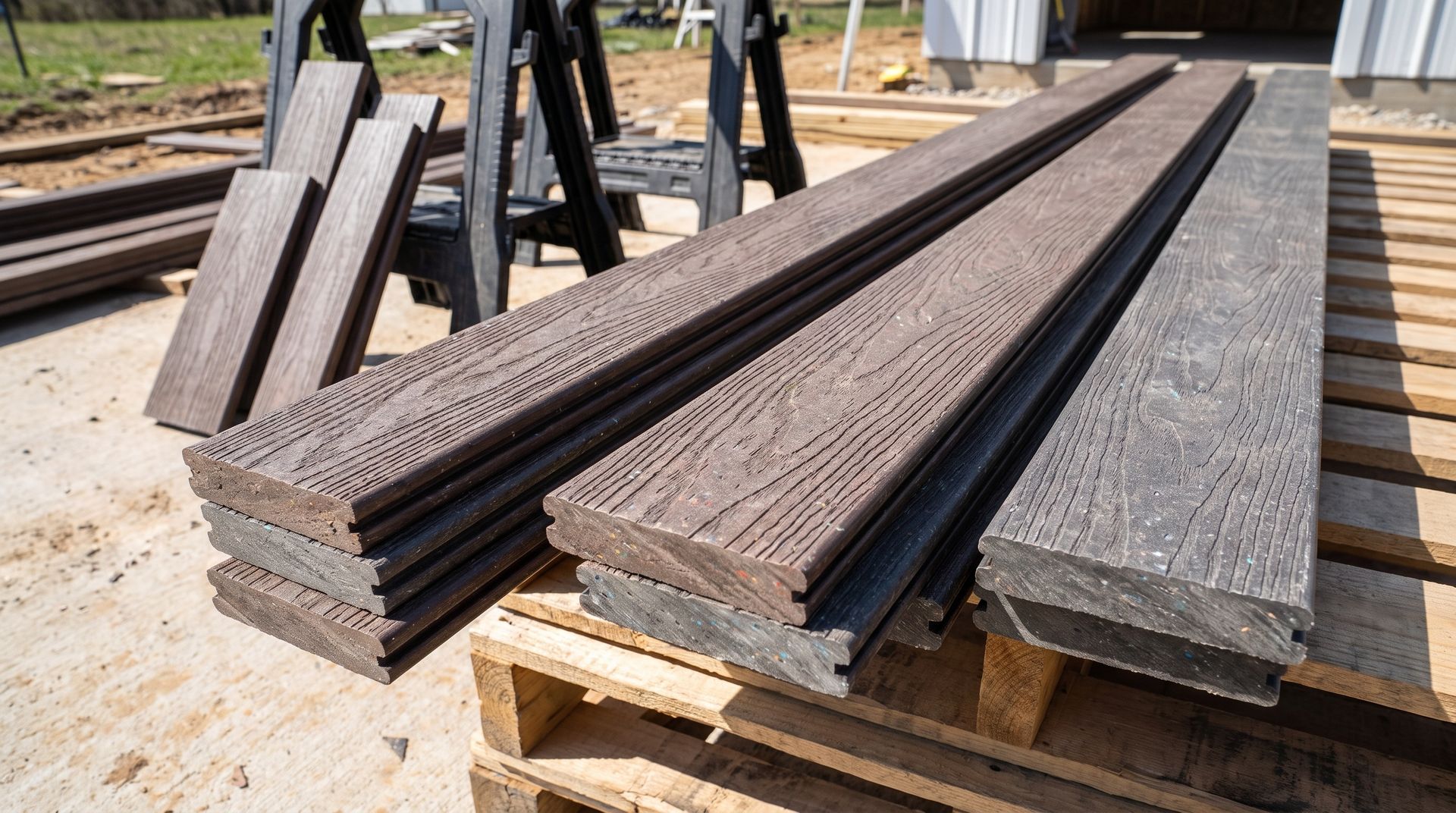
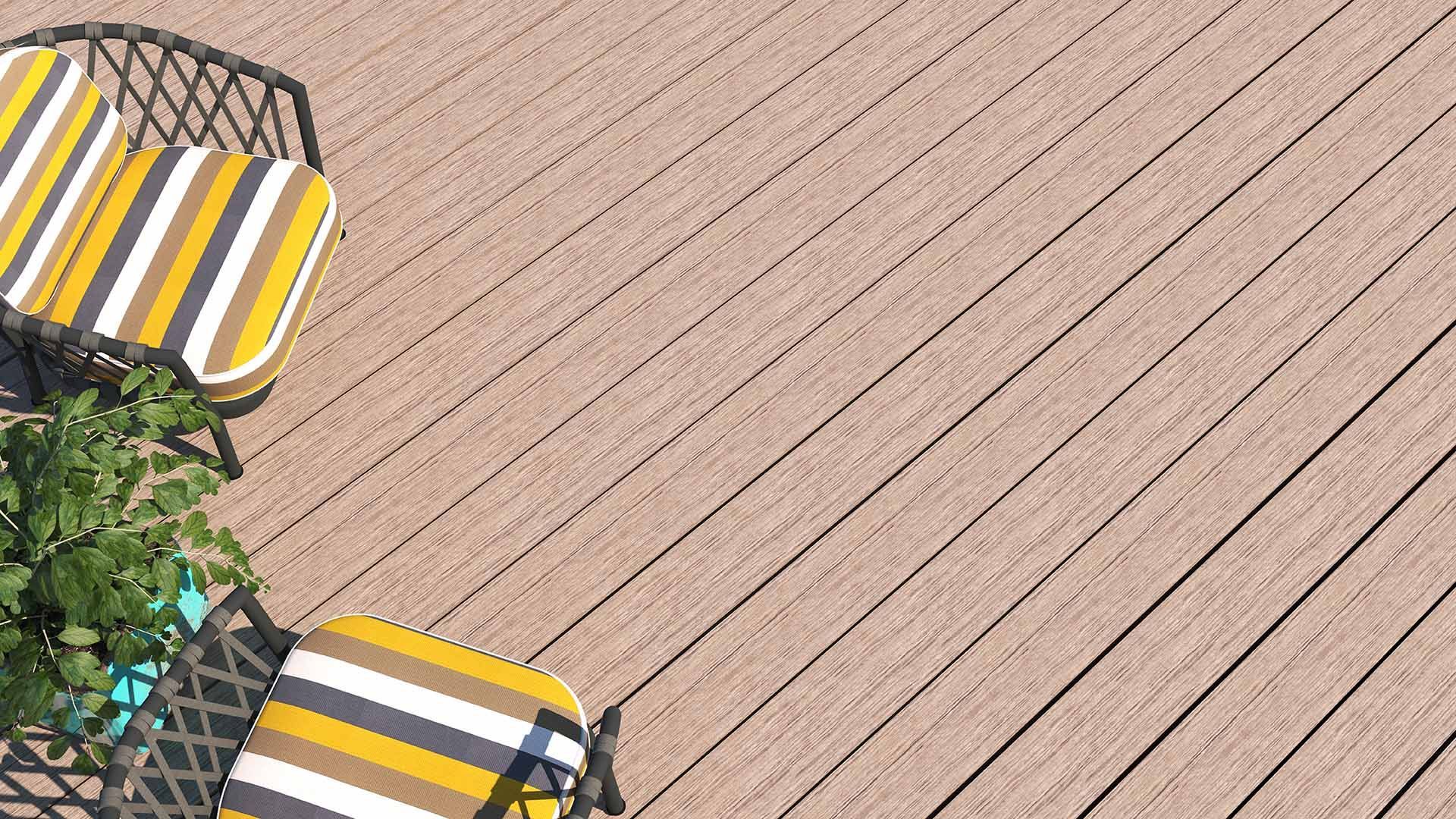
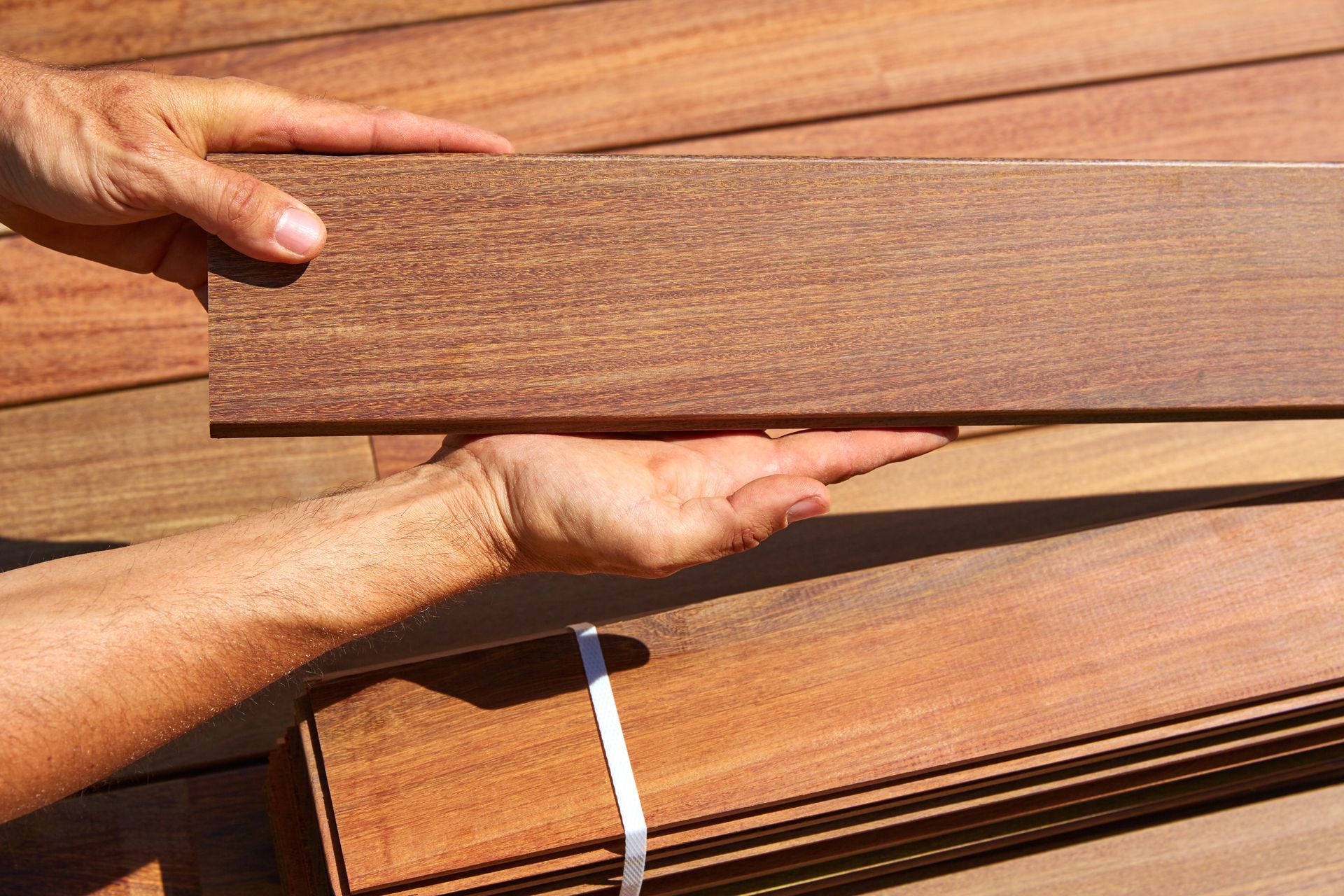
Your material choice controls long-term cost, maintenance, and durability. The East Bay's warm, dry summers and wet winters create a demanding environment. Redwood resists moisture and insects naturally and performs well in this climate. Pressure-treated lumber is the most budget-friendly option and works well for framing and substructure. Composite boards cost more upfront but require far less maintenance over 10 to 15 years. Hardwoods like ipe offer exceptional longevity but typically require professional installation tools. Match material to your use case, budget, and sun exposure early.
What Board Dimensions Should You Order?
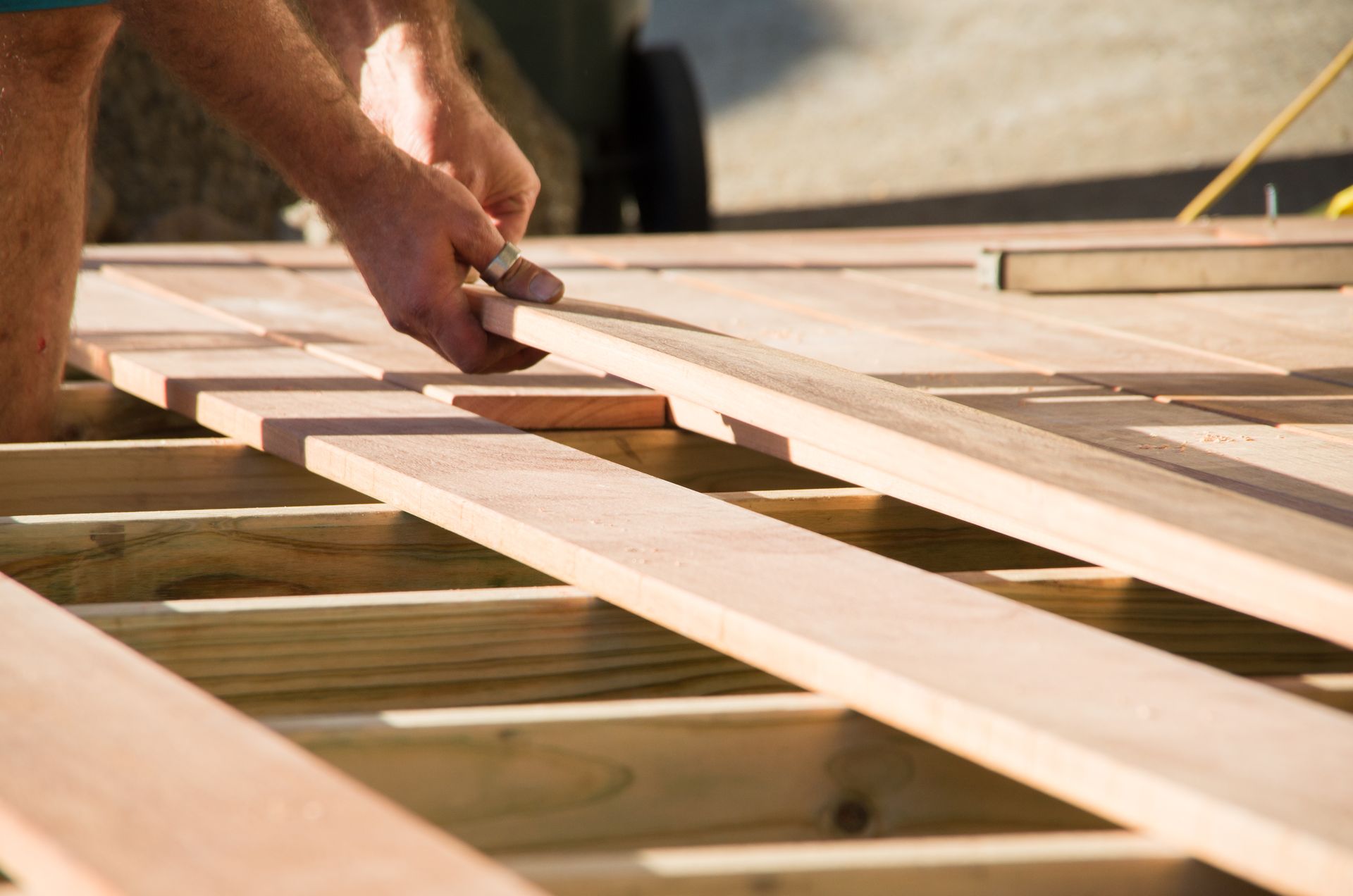
The standard decking board is a 5/4x6, which balances strength and weight for most residential projects. For wider or multi-level designs common on Walnut Creek hillside properties, 2x6 boards may be more appropriate. Always account for actual versus nominal dimensions when calculating quantities, and order 10 to 15 percent extra for cuts, waste, and future repairs.
Fastener Systems, Finish, and Code Compliance
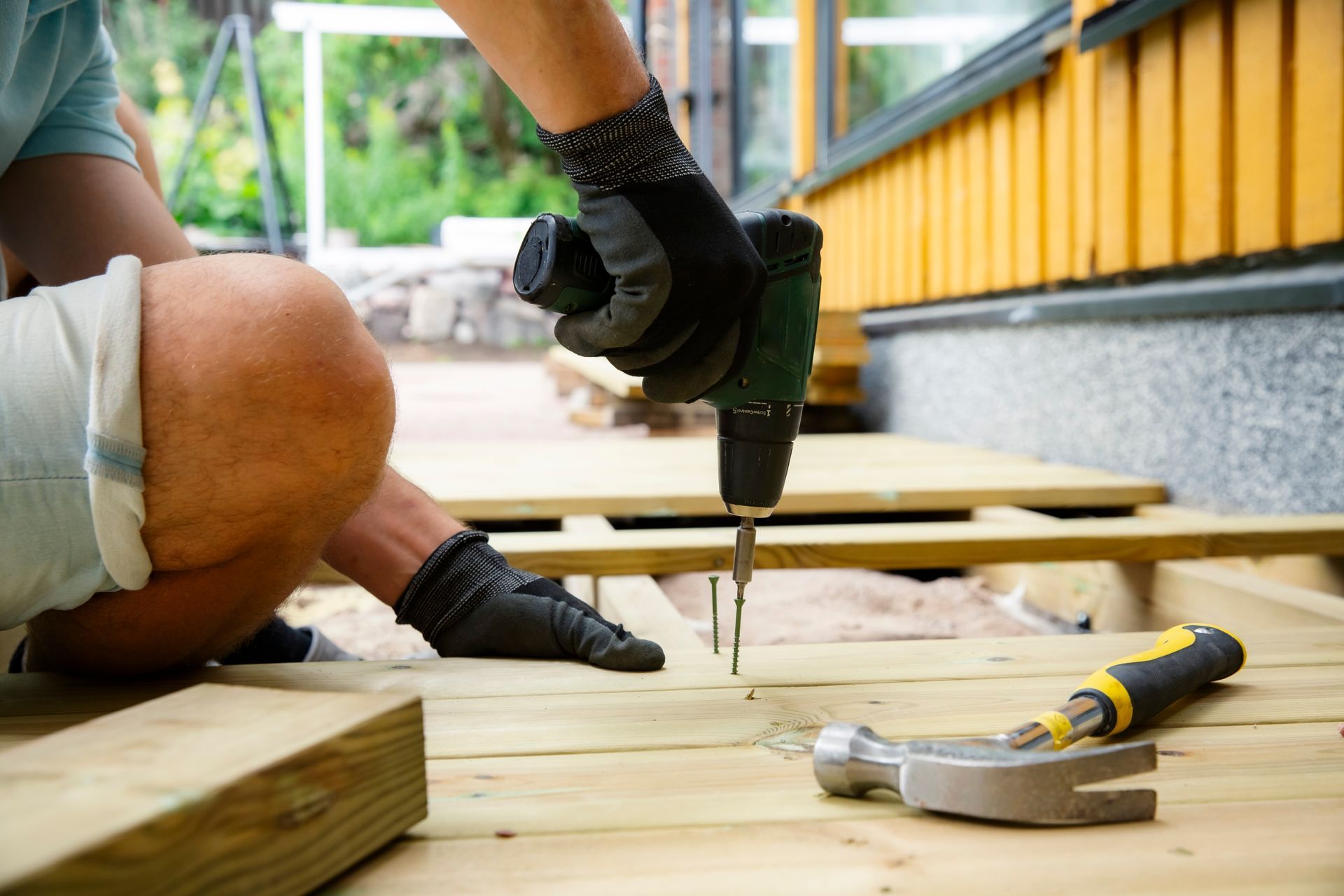
Hidden fastener systems produce a clean surface and reduce board splitting over time. Face-screwing is faster to install and easier to repair but leaves visible hardware. Either way, choose stainless steel or coated deck screws rated for your specific material, since incompatible fasteners cause staining and corrosion.
Choosing the Right Finish or Sealant
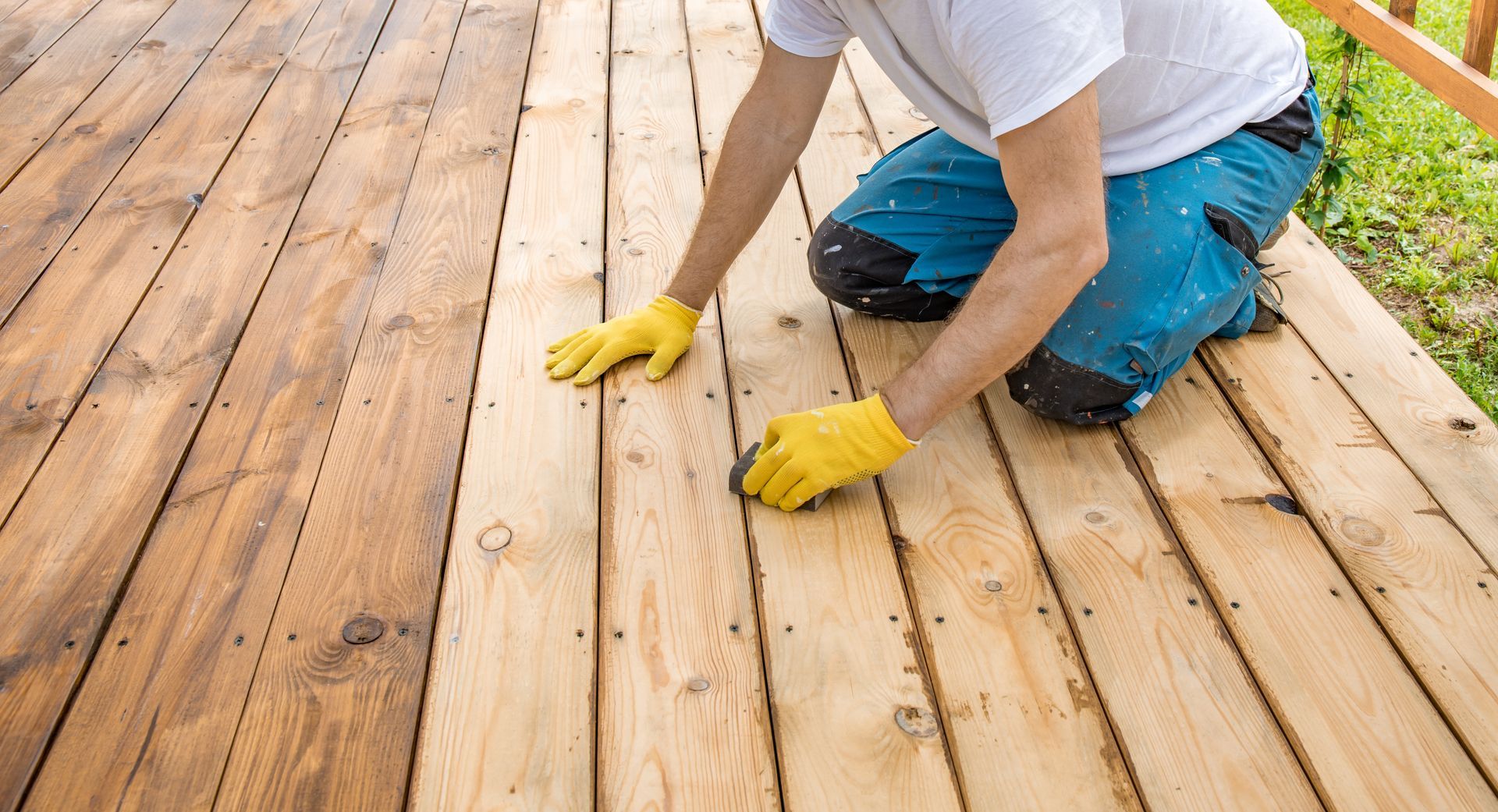
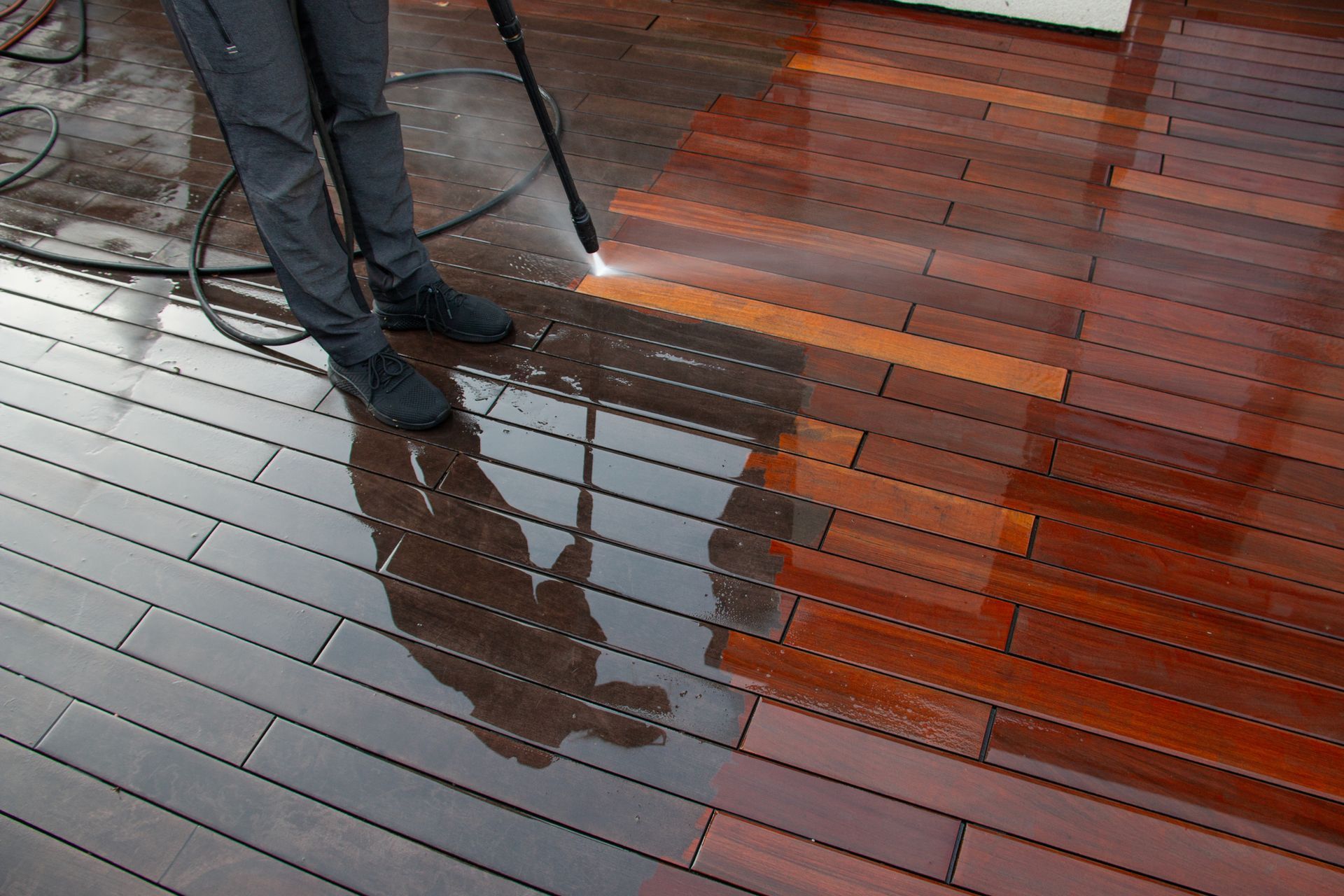
Clear sealers highlight natural grain and suit redwood or cedar well. Semi-transparent stains add color while preserving wood texture. Solid stains provide maximum UV and moisture protection, a smart choice for west-facing decks in Danville or Pleasant Hill. Most wood decks benefit from resealing every two to three years.
Local Code Compliance for Contra Costa County Decks
Decks in Contra Costa County almost always require a building permit. Applications submitted after January 2026 must comply with the 2025 California Building Code. Only very small, low-profile decks under 200 square feet, less than 30 inches above grade, not attached to a dwelling, and not serving a required exit may be exempt. Confirm permit requirements with your city or county before purchasing materials.
How Much Do Decking Supplies Cost per Linear Foot?
Pressure-treated lumber is the most affordable option. Composite and hardwoods like ipe carry a premium for long-term performance. In the East Bay market, budget roughly $3 to $12 per linear foot for board material alone, depending on species and grade. Fasteners, sealants, and structural components add to that total.
What Supplies Do You Need to Build a Deck?
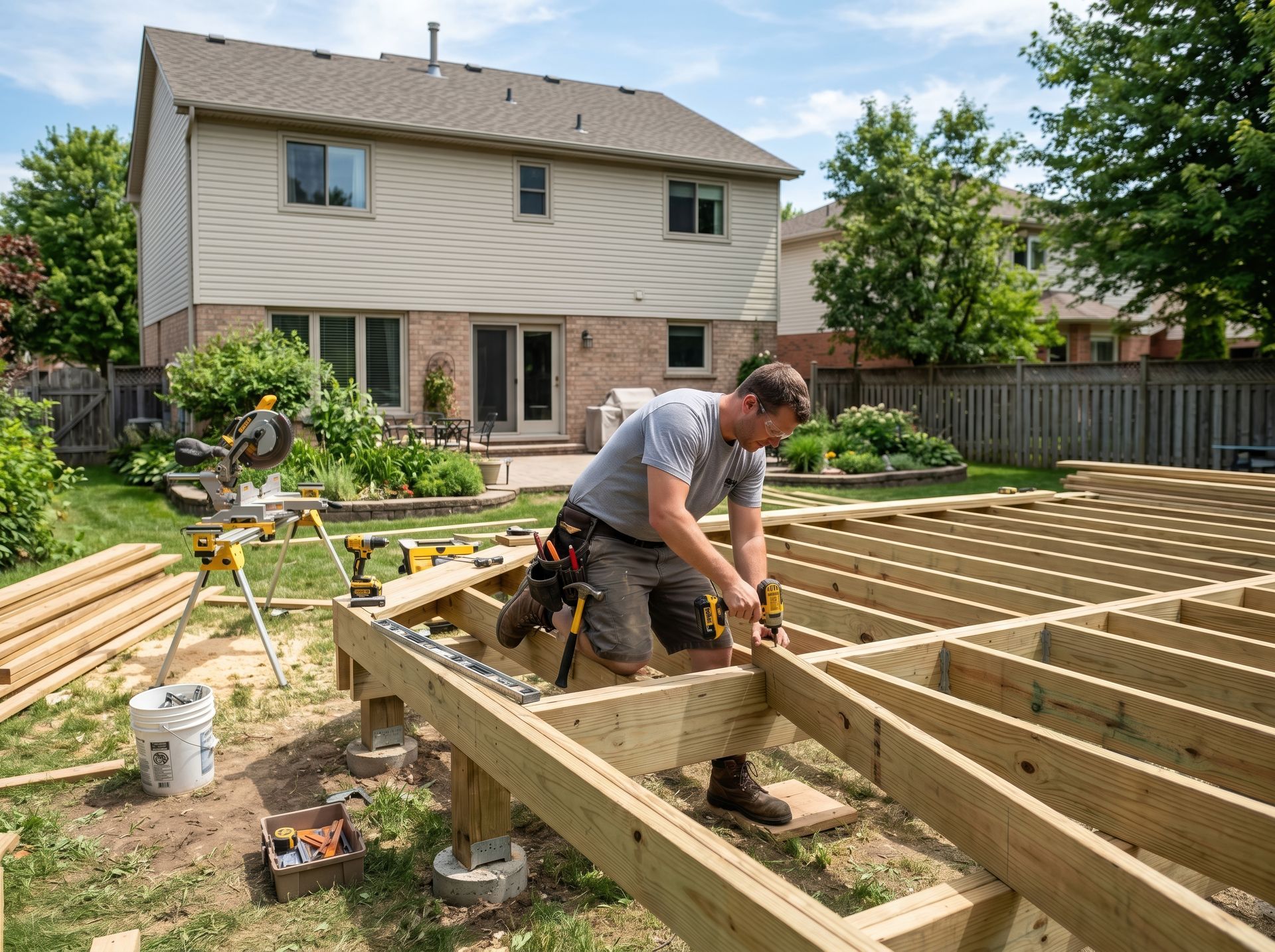
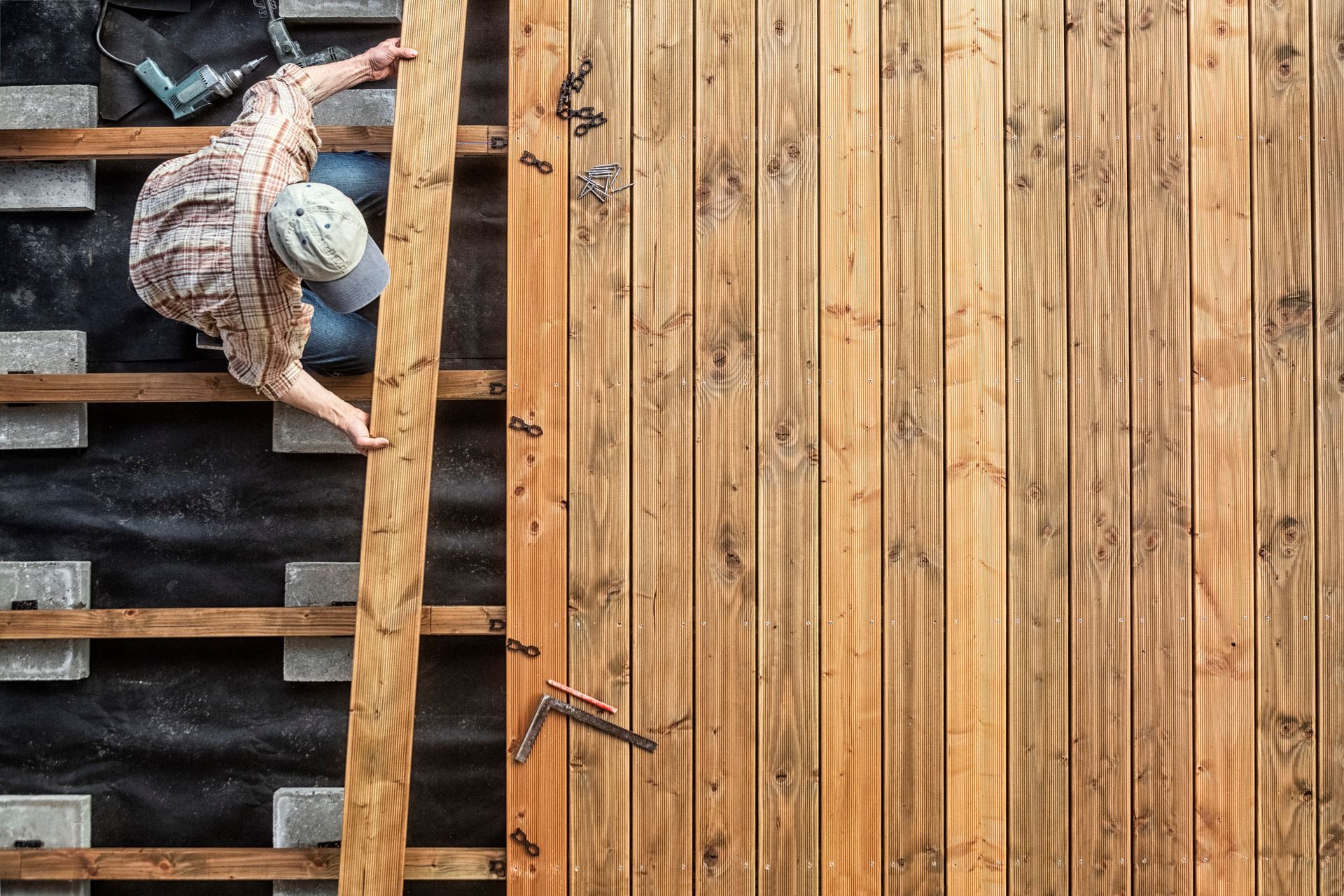
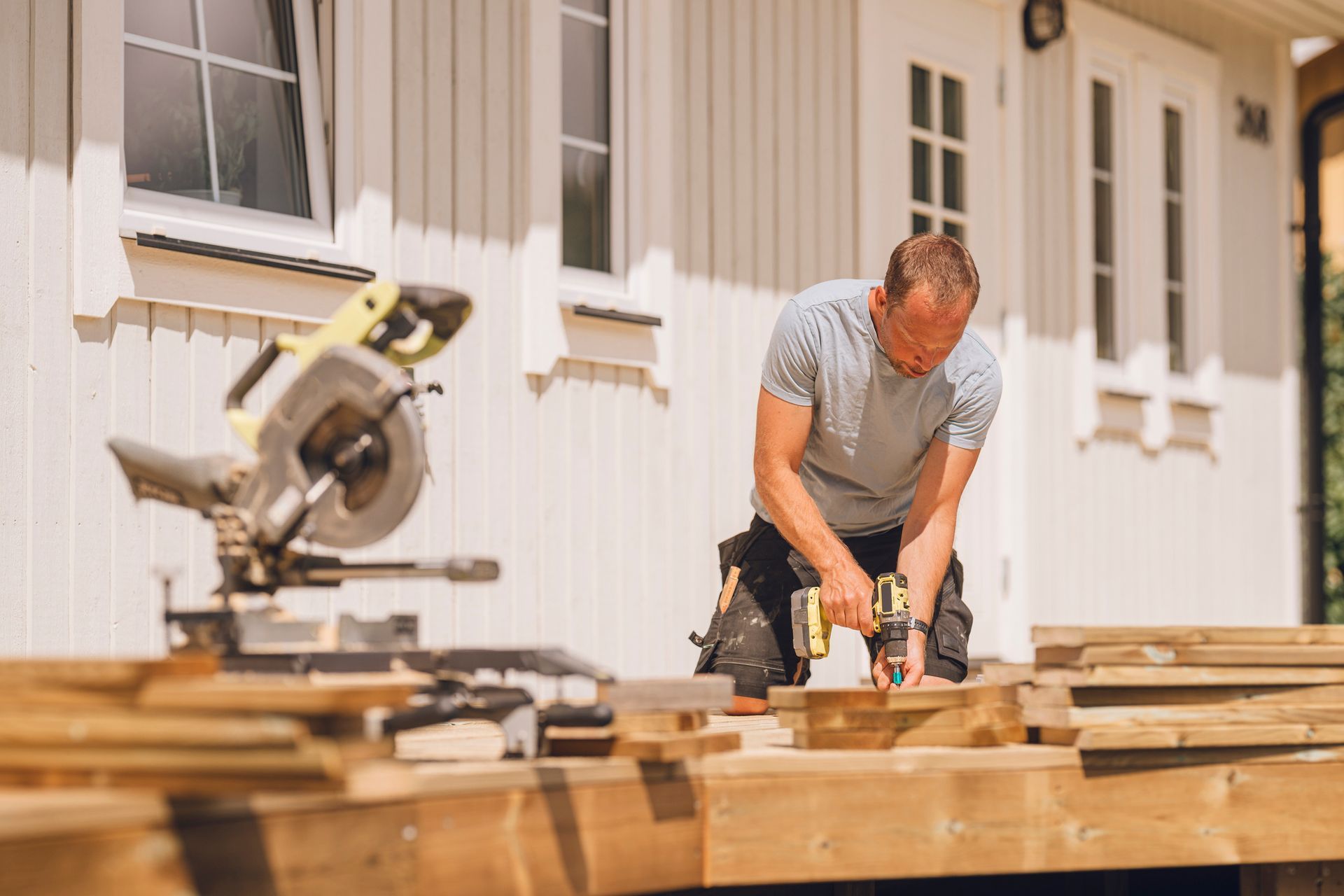
A complete list typically includes decking boards, framing lumber, concrete footings or post base hardware, joist hangers, fasteners or a hidden fastener kit, sealant or stain, and stair or railing components. Having a full list before you order reduces delivery delays and keeps your build on schedule.
Start Your East Bay Deck Build With the Right Source
Larsen Lumber has served East Bay homeowners and contractors since 1882, offering redwood, composite, pressure-treated lumber, and a full range of deck build materials. Call (510) 357-5020 to discuss your project, request pricing, or build your materials list. You can also reach the team online or visit the Larsen Lumber location to see materials in person.