Composite vs. Redwood Decking in Berkeley, CA: Which Is Right for Your Yard?
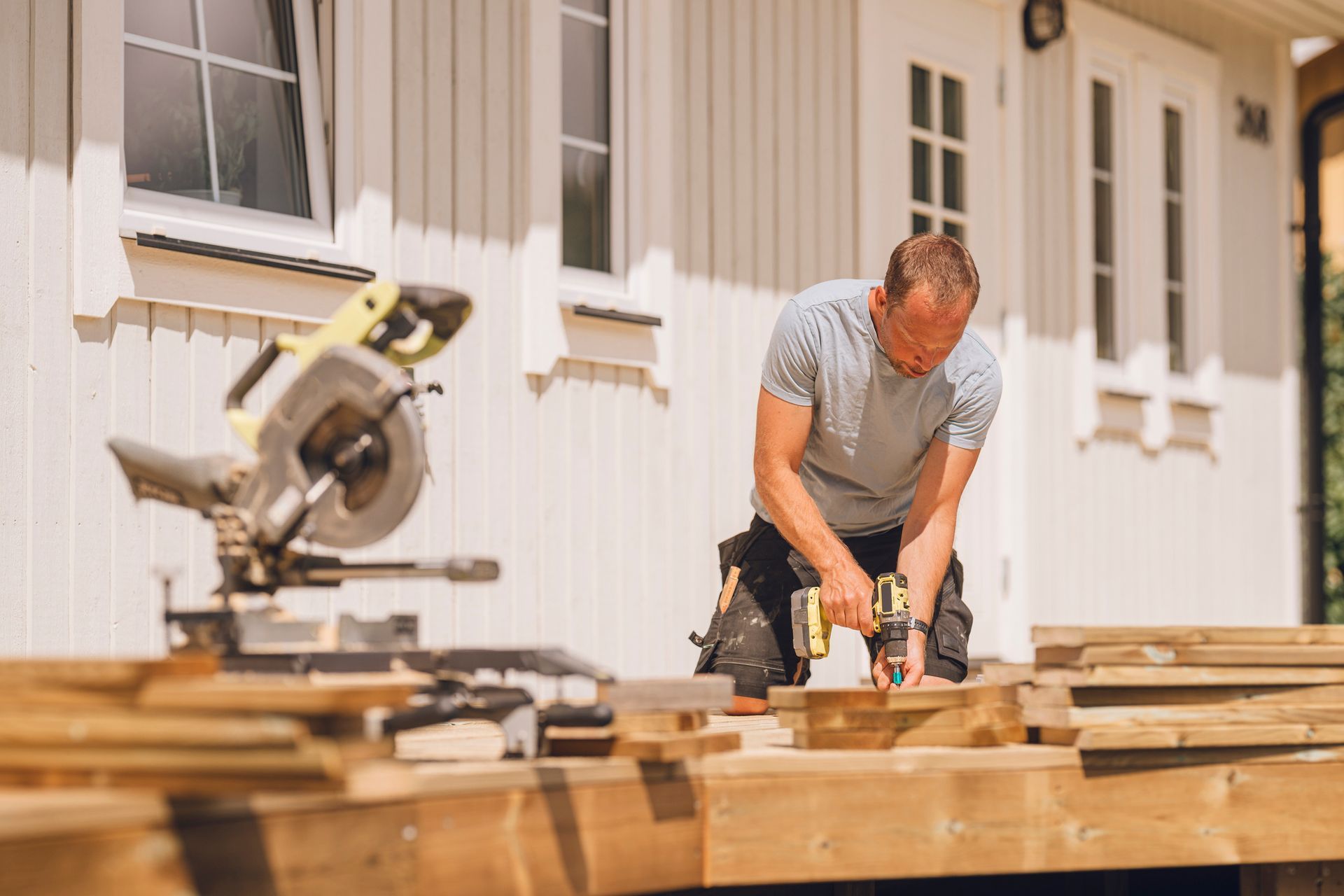
Choosing the right decking material is one of the most important decisions a homeowner can make, and understanding how composite and redwood compare can save years of frustration and extra upkeep. Berkeley yards come with a climate all their own: marine layer mornings near Aquatic Park, dry hillside summers in Claremont and Elmwood, and winter rains that exceed what inland East Bay cities see. Those conditions affect how every board performs. Whether you need deck supply in Berkeley, CA, for a new build or full replacement, knowing each material's strengths will help you choose with confidence. Larsen Bros. Lumber Co. is a trusted source of deck supply in Berkeley, CA, for homeowners and contractors who want expert guidance.
How Berkeley's Climate Affects Your Decking Choice
The coastal fog delivers repeated moisture-and-drying cycles that can accelerate warping and checking in some wood species. Hillside neighborhoods above Shattuck Avenue and around Tilden Regional Park see more direct summer sun, which can bleach and dry natural wood faster than many homeowners expect. Berkeley also sits in a wildfire-adjacent zone, and the city's building department has specific requirements around fire-resistant materials for hillside properties. Any decking decision should account for these local realities before a board is purchased.
Redwood vs. Composite: A Side-by-Side Look
Both materials can produce a beautiful, lasting deck. The better fit depends on your yard, your lifestyle, and how much ongoing care you want to commit to.
Durability in Wet and Dry Conditions
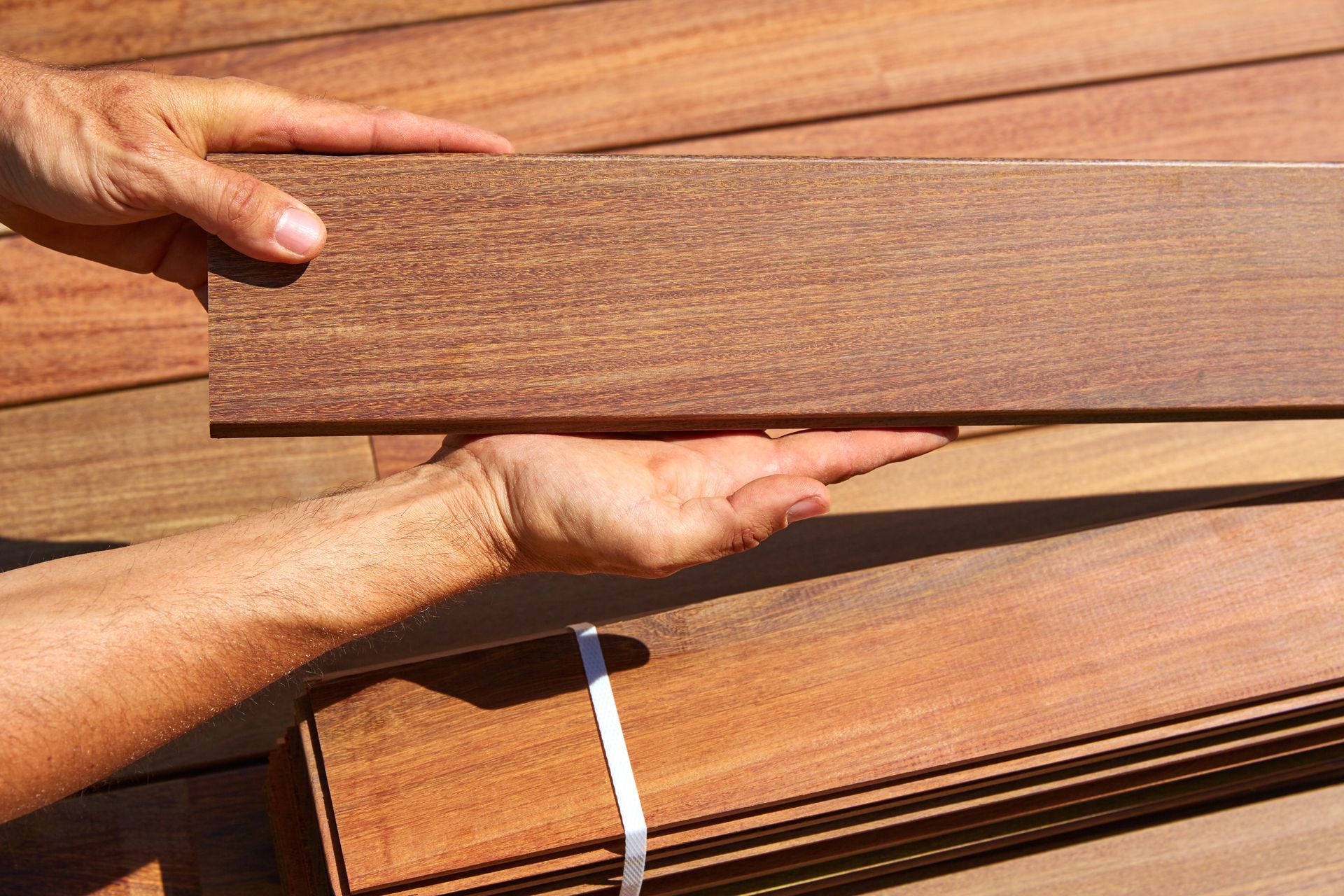
Redwood heartwood grades such as Construction Heart and Clear All Heart contain natural tannins that resist moisture, insects, and decay. In Berkeley's fog belt, a well-maintained redwood deck can last for decades. On the hillside, where UV exposure is more intense, redwood may require more frequent sealing to prevent surface checking.
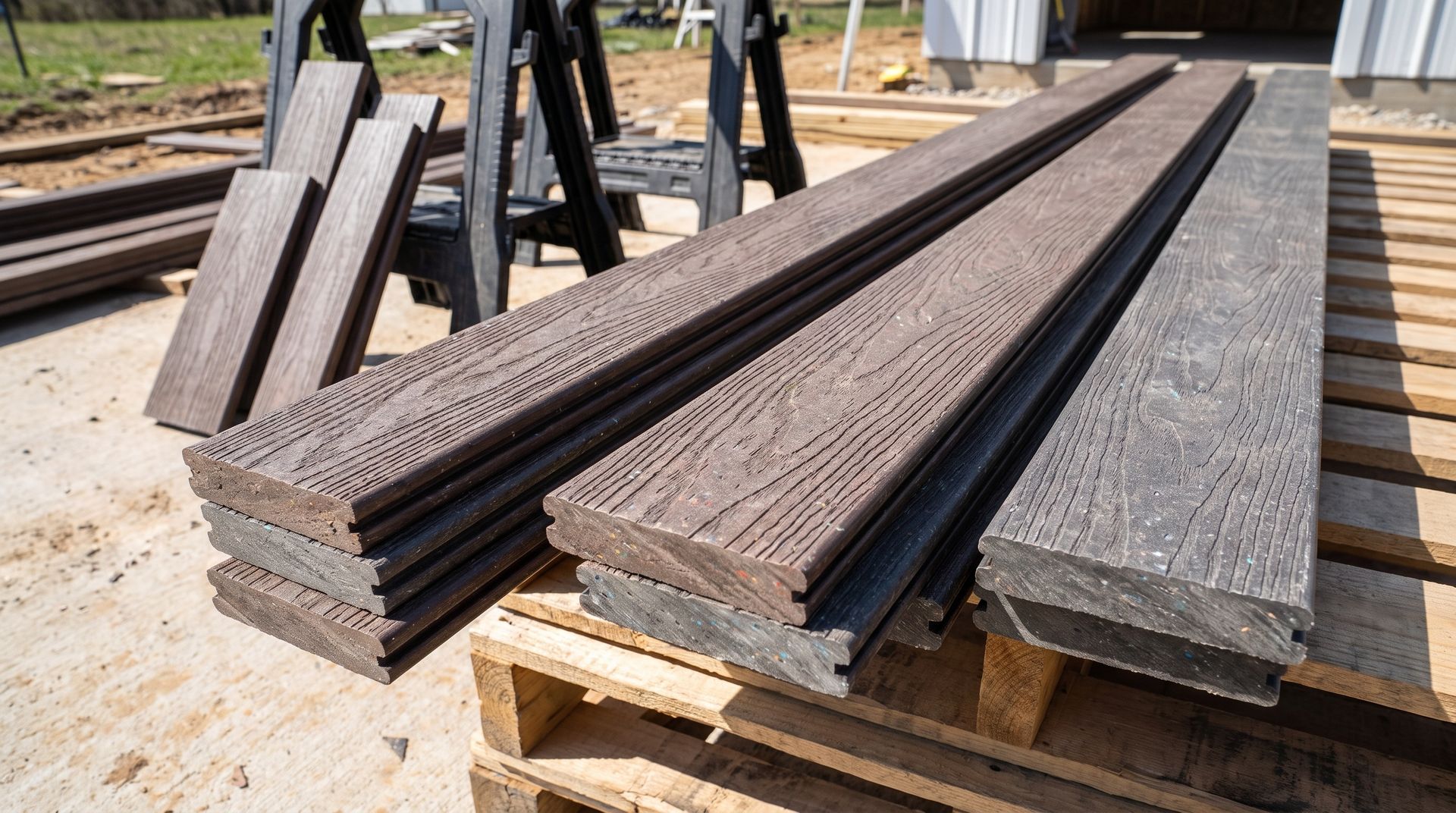
Composite decking is engineered to resist warping, cracking, and splintering from moisture cycles, and it holds up well under repeated sun exposure. Many composite products carry Class A fire ratings, which can support compliance with Berkeley's hillside building codes. Sourcing composite deck supply in Berkeley, CA, from a knowledgeable supplier ensures you get products with the ratings your project may require.
Maintenance Requirements
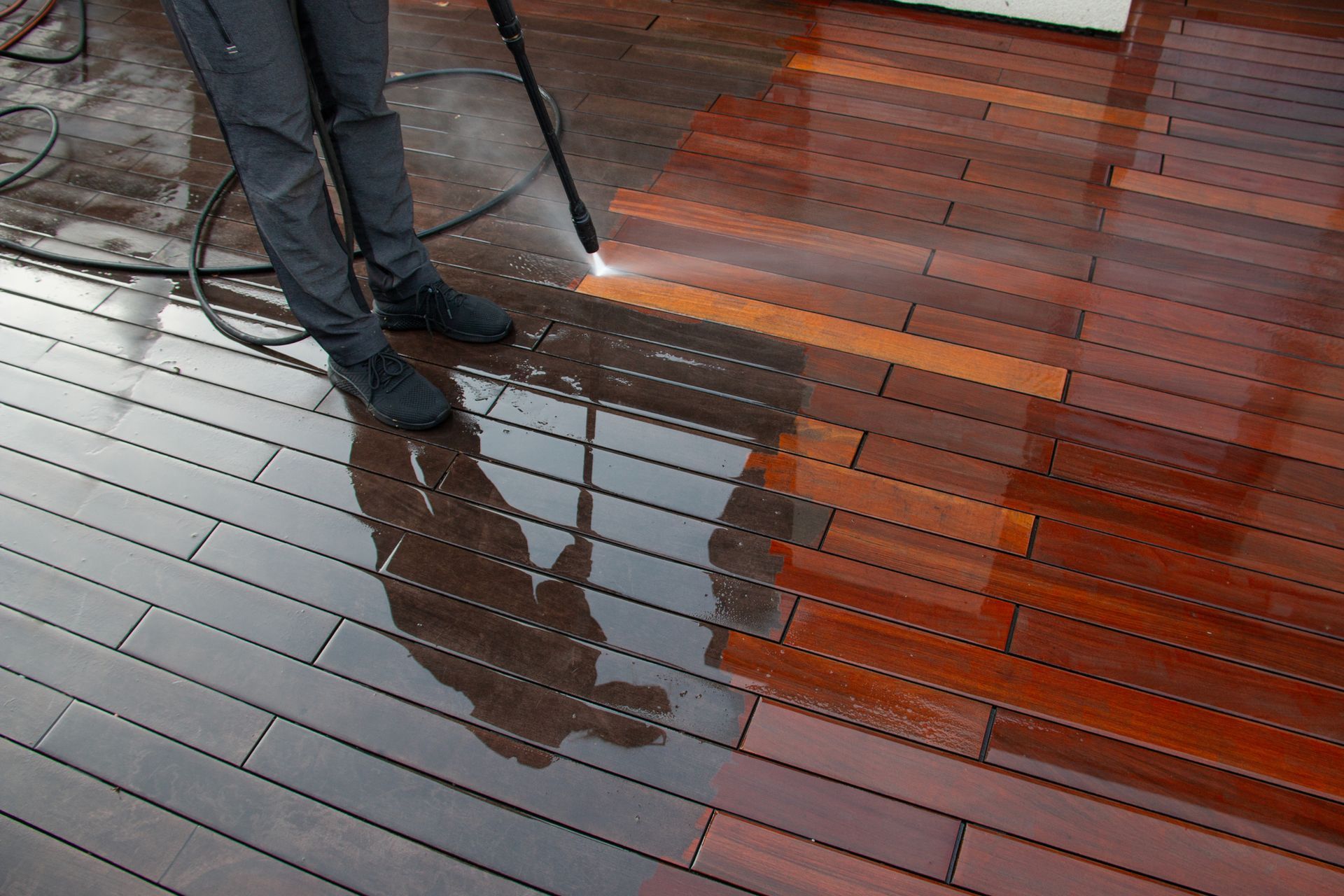
Redwood requires periodic sealing or staining to preserve its color and protect against moisture. A hillside deck above the fog line may need attention every one to two years. Higher heartwood grades are more naturally resistant, but no natural wood deck is truly maintenance-free.
Composite generally requires only periodic cleaning with soap and water, with no staining, sealing, or sanding. For busy Berkeley households, that time savings is a meaningful advantage over the life of the deck.
Sustainability and Environmental Considerations
Redwood sourced from responsibly managed forests can be a sustainable choice, and FSC-certified redwood is available through quality lumber suppliers. It is renewable and biodegradable, and it carries a lower embodied carbon footprint than some manufactured products.
Composite is typically made from recycled wood fiber and recycled plastics, diverting material from landfills, but it is not biodegradable and can be more energy-intensive to manufacture. Both options carry trade-offs, and a local source of deck supply in Berkeley, CA, can help you review certifications before you decide.
Appearance and Finish Options
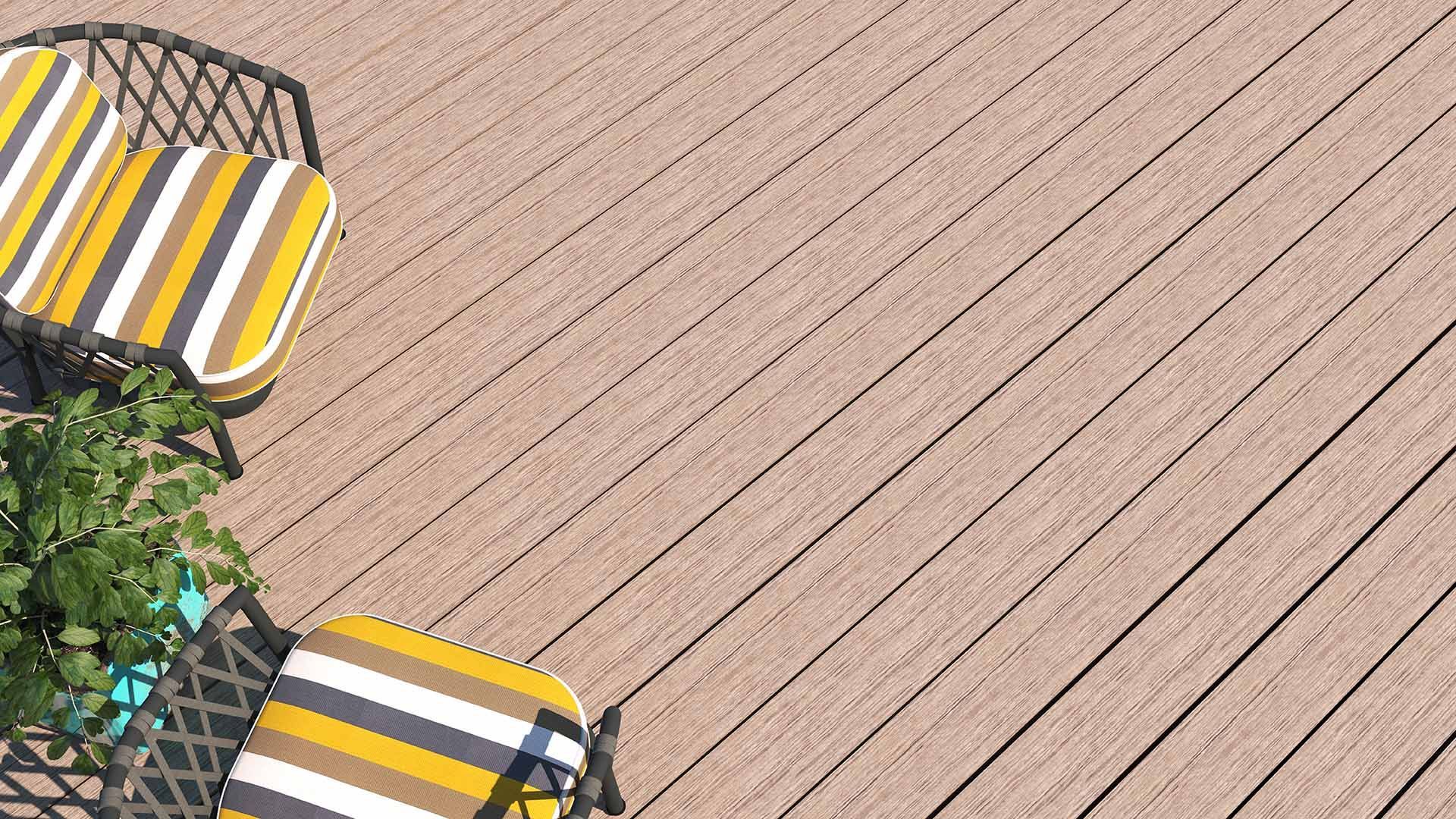
Redwood offers a warm, natural look that is hard to replicate. Higher grades like Select Heart B age to a silver-gray patina if left unsealed, which suits Craftsman and mid-century homes in Elmwood and Thousand Oaks. Composite comes in a wide range of colors and textures, including options that closely mimic natural wood grain, and holds its color more consistently without ongoing maintenance.
Permit and Code Considerations
Berkeley requires permits for most new deck construction and replacement decks above a certain height. Hillside properties may face additional requirements under the city's Hillside Fire Safety District guidelines, which can influence material selection. Composite products with high fire ratings may help streamline permit approvals in those zones. Always verify current requirements with the City of Berkeley before finalizing your material choice.
Cost Framing
Redwood typically carries a lower upfront material cost than quality composite, though the gap between grades can be significant. Composite costs more initially but may offset that investment through reduced maintenance over time. Total project cost depends heavily on deck size, material grade, and local labor. Request a quote to understand what fits your budget.
Frequently Asked Questions
This is paragraph text. Click it or hit the Manage Text button to change the font, color, size, format, and more. To set up site-wide paragraph and title styles, go to Site Theme.
Is Composite or Redwood Better for a Berkeley Hillside Deck?
For hillside properties, composite often wins thanks to fire ratings and low maintenance. Redwood remains a strong choice in lower fire-risk zones where natural appearance matters most.
Does Redwood Hold Up in Bay Area Fog?
Redwood can perform well in foggy conditions, particularly when heartwood grades are used and the deck is sealed on a regular schedule.
Do I Need a Permit to Replace a Deck in Berkeley, CA?
Most deck replacement or new construction projects require a building permit. The City of Berkeley's building and safety division can confirm current requirements for your property.
What Redwood Grades Are Available for Decking?
Grades range from Construction Common to Clear All Heart, each balancing appearance, durability, and price differently. A knowledgeable supplier can help you pick the right one.
Ready to Choose Your Decking Material Serving Berkeley, CA?
Larsen Bros. Lumber Co. has been helping Bay Area homeowners and contractors find the right decking materials since 1882. The team serving Berkeley, CA, can help you compare grades, discuss permit-relevant material specs, and get the right boards in your hands. Visit the decking page to explore available options, or contact us to talk through your project. Call (510) 357-5020 to get started. You can also find us on Larsen Bros. Lumber Co. to read reviews and get directions.